Thursday, 12 March 2015

Junking Your Kids’ Junk Food

Marketing has a huge impact on the appeal of junk food to kids. The whole milieu of print and video advertising, packaging, sponsorships, and the like are highly culpable for rising obesity rates, cardiovascular disease, diabetes, and a host of other illnesses related to the chronic consumption of junk food.

Kids are especially drawn to visuals and are easily led to love junk food for the emotional appeal the ads generate. It doesn’t help that it is also pretty difficult not to love the super duper taste of cheese flavoured potato chips and the sweet, bubbly spirit of soda.

As parents though, we have a responsibility to raise our kids with good health habits. One of these has to do with junking our kids’ junk food or training their palates to favour real food. With hectic schedules and a fast paced modern life, this is a gargantuan task for many; but, if you care for your kids’ healthy development, it is worth all the effort.

For your own and your kids’ health, your home must be a junk food-free zone most of the time. The best ways to ensure this is to:

Lead by example

As a role model, you have got to walk your talk. How can your kids believe that eating Oreos all the time is not good for them if you have been scarfing some down when you think they are not looking? Children do not turn a blind eye; they wise up. From now on, limit the amount of high sugar, low nutrient foods from your pantry. And no secret stashes.*smirk*

Get into the habit of planning out your menus and grocery list every week so you can serve home-cooked meals daily. This way you will have control over your kids’ nutrition and portion sizes. Snacks should also be made at home so they do not have to be sourced from packaged junk treats or fast foods that serve empty calories. Fruit and trail mixes can be great substitutes for fast food snacks if you are pressed for time. Having real food available all the time will ensure that your kids will develop their taste for these foods and ingrain them with good eating habits.

Do not use junk food as a bargaining chip

You will be shining a delectable light on bad food by offering it up as an enormous treat or reward. Junk food should be viewed as unhealthy not a delicious must-have. By rewarding a child with junk food for good behaviour, you are conditioning him to look forward to junk treats much like a dog would in a Pavlov experiment. Rewards should be non–food in nature if possible.

Get Them to Like Moving

Limiting their screen time will also limit their exposure to appealing ads and get them to do something more active. Enroll them in sports programs, dance classes, or other physical activities of their interest. You may have to step up to the plate as well and get moving. Remember, children love to imitate and would have more fun if their role model is also involved. Besides, exercise will do wonders for your health just as well.

Make Homemade “Junk Food”

Whose mouth doesn’t water at the sight of a nice juicy burger and crispy fries on the side? Well these do not have to be junked at all; just don’t buy them from fast food chains or restaurants which mix in a lot of preservatives, additives, sugar and fats. The trick here is to make your own. There are tons of recipes out there that offer better ingredients and the know-how of how to replicate store-bought food at home.

You can beat the allure of fast food at its own game by providing delicious substitutes. Instead of ordering up a fast food chain pizza, you can make some tortilla pizzas with corn tortillas, shredded cheese, and homemade salsa. It is the cheese in pizza that kids love so instead of low nutrition dough, you’ll be serving more nutritious corn chips. You can bake a batch of oatmeal cookies instead of buying a package. In lieu of chips and dip, you can serve up fruit and homemade dip.

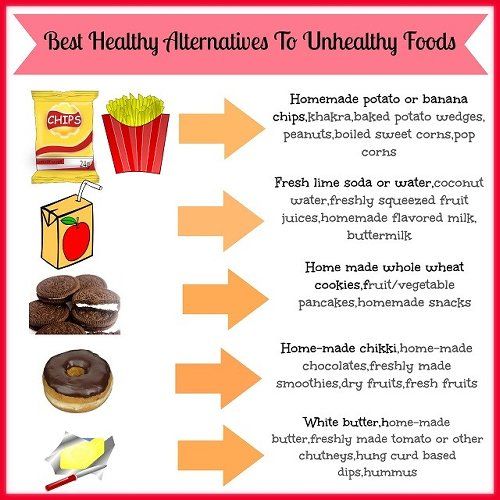
There is a barrelful of homemade snack varieties that is sure to delight your kids’ palates while keeping them nutritiously healthy. After all, this is the whole point of going the extra mile for your kids’ growth and development. Here are other alternatives that keep the junk out of food:


Image from: http://www.bumpsnbaby.com/

Making your own “junk food” for your children turns these gustatory delights into real food with food savings to boot. It’s a win-win!

Friday, 27 February 2015

Should the Gym Be On Hold When You’ve Got the Cold?

Your mojo’s going strong; you’re training great for that marathon…and then it hits! A sniffle here, a tiny cough there, and before long, you’ve got one of life’s little annoyances …a full blown cold. An average of two million Australians gets hit by varying degrees of the bug, especially in winter. Interestingly, women have been reported getting the sniffles more than men.

For people who exercise, the unfortunate incident of getting sick can throw many fitness goals off kilter. Among athletes, the common bug can derail well-laid training plans. You’ve worked so hard; only to have to those little buggers get you down. As cardiovascular exercises go, two days off training is a day too many as stamina does flag within a few days of reduced movement. The question now is…should a cold put your exercise on hold?

When the Bug Hits: To Move Thy Butt or Not to

The answer: it depends. Sometimes it wouldn’t hurt too much to exercise with a cold; but, it can be uncomfortable. Other times, it would be a mistake. When in doubt or you feel bad about your hard-earned physical conditioning going to waste, follow this rule of thumb: listen to your body first. It would not do you good to go into your usual workout routine and stress an already stressed body. Besides, when you are sick, you may not be able to perform at 100% capacity; so, the best is to take it easy.

If listening to your body isn’t enough or you feel you are getting mixed signals, then apply the neck test. Determine where the symptoms mostly lie. Are they above the neck or below it?

Above-the-neck symptoms usually signify a head cold. As long as these symptoms are not severe (i.e. mild headache, runny nose, sore throat), exercise of moderate intensity is alright. In fact, it could even boost the immune system a bit. The keywords here, however, for giving this nod to your workout are between light to moderate and your usual duration should be significantly reduced. For instance, instead of going into your usual running routine, just walk. Take your resistance training several notches down with light weights and reduced reps. Otherwise, your enthusiastic loyalty to your burgeoning stamina may get a huge dash on the rocks when that cold turns into something worse, lengthening your recovery time and therefore your time to get back on the fitness track. As you know, the longer it takes to get back to your training, the longer it also takes to get back the endurance you once had.

If your symptoms lie below the neck, then it’s to bed with you and absolutely no gym time. Below-the-neck symptoms can signal more than just the garden-variety cold. If you have a fever, muscle aches, a bad cough, or a rattly chest, chances are you have the flu. The flu means you have a stronger virus partying in there; so, you shouldn’t take your condition lightly. The influenza virus can be dangerous if you don’t take care. Deal with your early symptoms first before thinking about workouts. You need all the rest and fluids you can get. Remember, with a little bit of patience and perseverance, you can always get back your stamina after recovery.

An Ounce of Prevention…

It is always wise to prevent being sick than relying on a cure, of course. Besides, it does take a little more effort to get back to your former fitness level after being down for the count. For every week you miss from training, you need about one to two weeks to recover your previous stamina. Getting back should also be a gradual process. You need to ease your way back slowly or it will be Round 2 in the bed for you. Unfortunately, the second time around so soon after will be worse.

The best way to increase the odds of making it to that marathon in tip-top shape is to build a fortress of an immune system. Although nothing is a guarantee from the bug, you can at least improve your chances of not ending up down for the count.

Exercise does help build your immune system significantly; but, exercise is not the only thing that keeps you fit. Be mindful of these tips which can improve your guard against colds or bolster your immune system:

  • Practice hygiene at the gym – The gym is actually a hotbed of the cold virus. Some people work out with a cold and so leave their germs on the equipment. Always wash your hands and dry them thoroughly.
  • Be wary of your sneaks – You shoes are especially dirty as these are in constant contact with the ground. Who knows what lurks on what you’re stepping on. Sanitize your hands after lacing your sneakers up and after taking them off.
  • Sleep well – “Early to bed and early to rise, makes a man healthy…” Whether a man becomes wealthy and wise for sleeping early leaves much up to debate; but, with healthy, early to bed rings true. Keeping a good circadian rhythm going makes for a strong immune system.
  • Eat a healthy, balanced diet – Your body is in constant need of sufficient vitamins and minerals. It cannot defend itself if it does not have the materials for doing so. Exercising does not give license to constantly indulge in anything your capricious tummy feels like having. Chips and soda are crappy immunity boosters.

You are already doing something right…exercising. For this alone, kudos to you. All you need is to take the extra steps for ramping up your immunity to colds and influenza and ensuring a training not wasted.

Thursday, 29 January 2015

Healthy Snacking Habits Start at Home


Kids need to grow to their full potential; so, it is paramount that they incorporate healthy habits early on. One of these habits should be healthy snacking, an invaluable behaviour they need to carry into a healthy adulthood.

To form a habit, there must be some consistent gratification or positive experiences for the child to develop the habitual behaviour. Make healthy eating second nature to your kid by trying these suggestions:

Let your kids have fun with their food. If they help you prepare their own snacks, they would be more likely to love it. Let them do their own cutting, spreading, or food presentations. This could get to be an after-school habit to which they can look forward when they arrive home from school.

Snacks do not have to be elaborate. Fruit kebabs, vegetable sticks with dip, and mixed nuts are great, healthy in-betweeners. Snack time can also be educational if you can teach older kids the rudiments of baking with some home-baked fruit muffins and the like. Whatever you and your kids do, make snack time moments pleasant, light, and fun.

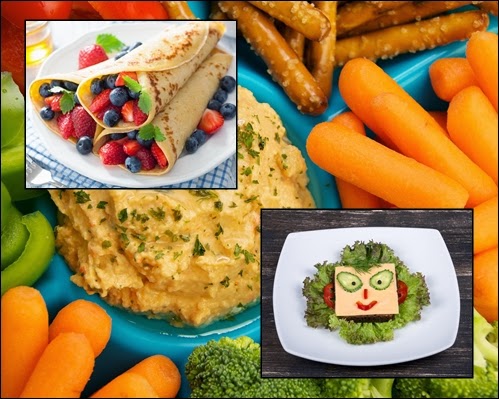
Arrange food creatively to make it look extra palatable. Fruits and vegetables are exceptionally colourful. Use their colours and textures to create interesting or funny portion-sized snacks your kids will visually love. Once they take to it visually, they may just take to the taste as well.

Make edible faces. You can use raisins or grapes for eyes and shredded cheese for hair. Turn on your creativity and have fun yourself. Broccoli can look like trees and you can cut carrots into various shapes using your cookie cutter. The net holds a plethora of ideas. The point here is, presentation sells; so, if you want your kids to prefer healthy snacks, dress these up. Remember, these healthy snacks will have to compete with those attractively packaged and professionally marketed junk food.

Healthy snacks should be on hand at all times. There shouldn’t be a choice between junk food and healthy eats. The fridge and pantry should always be stocked with nutritious edibles, not processed food. If your family is on the go, prepare your health treats in advance and take them with you. When hunger strikes, neither the vending machine nor the fast food takeouts will be the go-to remedies. Kids should only have a choice between healthy, healthy, and healthy. This brings us to the next important point…

To enforce healthy snacking, you’ve got to be a healthy snacker yourself. Kids usually have a taste for saltier or sweeter snacks. How can apple slices topped with cottage cheese compete with a nice, crisp bag of potato chips beckoning from the pantry? To a lot of kids, there’s just no contest---it’s potato chips, puhleeeeez??!!

You need to set a good example. If you want your kids to have healthy habits, they must consistently see you living the healthy lifestyle as well. Your grocery choices should always veer toward the healthy. Ban sodas, chips, and other processed food and beverages from your grocery cart next shopping time. Your body will also thank you for it.

Why Healthy Snack Habits Are Important

Some nutritionists believe that the problem with health may not squarely lie with unhealthy main meals. Unwholesome in-betweeners may be the disturbing culprits behind many health issues.

What kids learn to incorporate in their manners and behaviour often lasts well into adulthood. Unhealthy food choices consistently served over time allow children to develop a preference for them, a preference they may well carry into adulthood. Unhealthy eating will leave them open to a host of diseases from obesity to cancer.
Should your kids gravitate toward a healthy diet even well into their adulthood, congratulate yourself for giving them a valuable habit. They will have the blessings of:

  • Good cholesterol level
    A great many adults are plagued by soaring cholesterol levels and in consequence, cardiovascular issues. The issue of high cholesterol levels, however, is not a solely adult problem anymore. Kids have not been spared their share of rising statistics of cardiovascular problems from consumption of highly processed food.

  • Manageable Weight
    Kids who are overweight have the tendency to grow up as overweight or obese adults. If they have their good snacking habits down pat, they will have an easier time maintaining a healthy weight throughout their lives.

  • Strong Immune Systems
    Good diets lead to a strong body, highly impervious to health issues.

  • Good Cognitive and Psychological Functions
    Healthy eating helps build individuals with more stable dispositions. Unhealthy children may be more prone to anxiety or depression, long-term emotional states which can affect future relationships.

If you feel your children’s diets need to have some improvements, assess your snack menus. Take the opportunity to bond with your kids over snack preps and create a fun, loving, light-hearted atmosphere where healthy snacks may connote comfort food when they grow up.